Spring: wake up the lawn
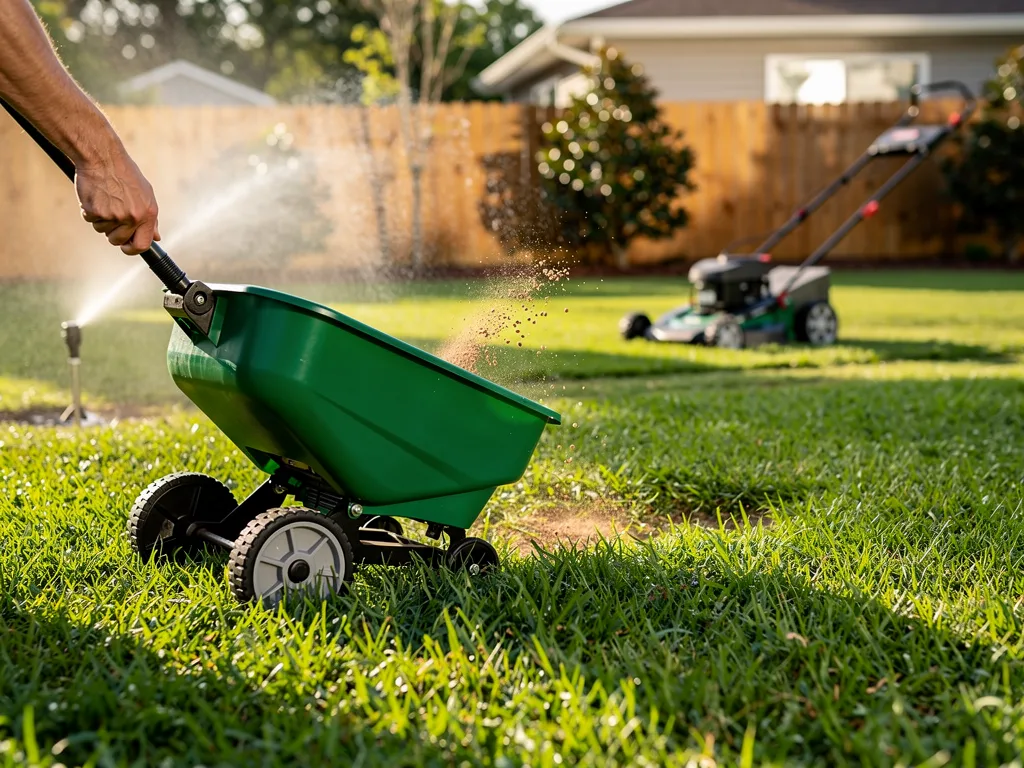
Valdosta springs bring clean air and rising temps. Start with a light soil check and a gentle feeding to support new growth. If you had a tough winter or some bare patches, plan a reseeding in early spring. Don’t rush the seed; keep the soil evenly moist but not soggy as roots establish. A slow-release fertilizer helps feed through the growing season without burning new shoots.
Rake lightly to remove debris and avoid heavy thatch buildup. If you see compacted patches, consider core aeration to help water and air reach the roots. This keeps your lawn from fighting against hard soil as the season warms up.
Summer: steady care in the heat
Valdosta summers demand consistent watering. Deep, infrequent watering two to three times a week is usually enough, depending on rain. Water early in the morning so blades dry before evening and reduce disease risk. Keep mowing to a steady height that promotes strong roots, usually around 2.5 to 3 inches for most cool-season grasses and adjusted for warm-season varieties common here.
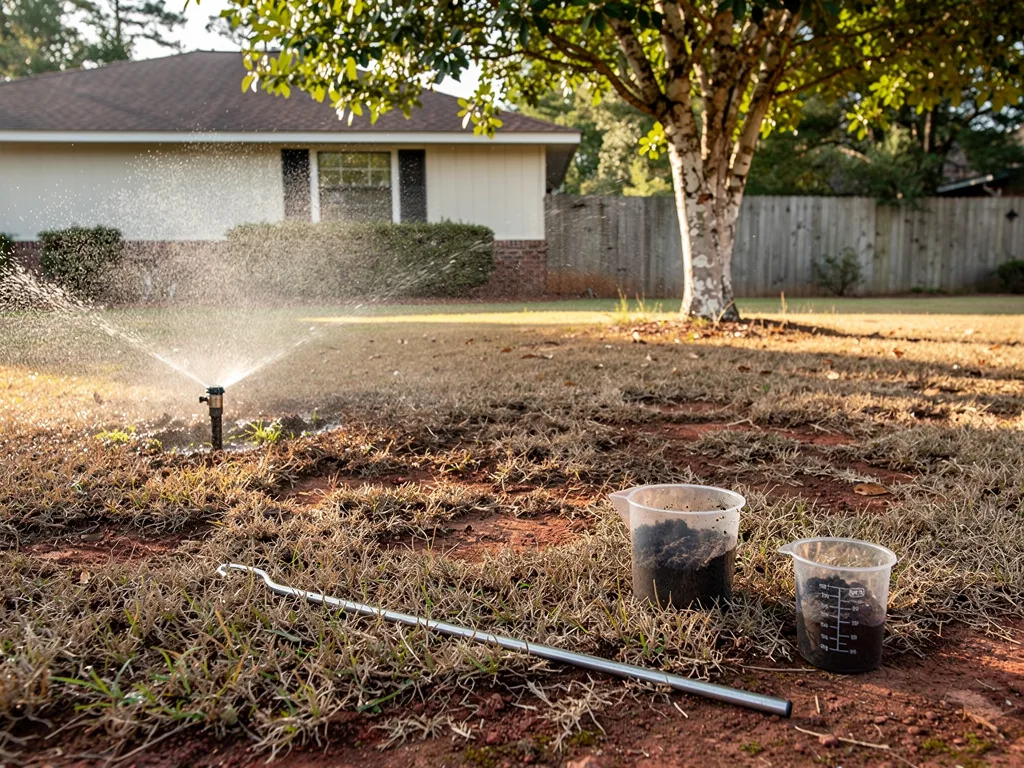
Watch for heat stress and drought signs. If you see a lot of brown patches in the heat of July and August, it’s a sign the turf isn’t getting enough moisture or that the soil has poor water retention. A layered approach with soil amendments and a careful feeding plan helps the lawn bounce back after the hottest weeks.
Fall: rebuild and prepare for winter
Fall in Valdosta means cooler nights and a chance for root growth. Lower mowing height gradually to prepare for winter and reduce the chance of disease. Apply a balanced fertilizer that supports root development rather than rapid top growth. If you see thin areas from summer stress, consider overseeding for a quick fill-in before winter dormancy.
Address any irrigation leaks or misalignments before winter sets in. Drain hoses and check valves so you’re ready for spring. A light aeration can help you maintain good soil structure through the shoulder seasons.
Winter: gentle upkeep
Even in Valdosta, winter has its quirks. Keep the lawn free of fallen leaves and debris, which can smother the turf over time. If you notice moss or very damp patches, adjust drainage and avoid overwatering during cooler periods. A calm, steady approach keeps the lawn ready for spring growth.
Seasonal tweaks are easier with a simple plan. If you want a straightforward roadmap for your yard, Valdosta Tree Service can tailor a yearly schedule that suits your soil, sun, and watering regime.